
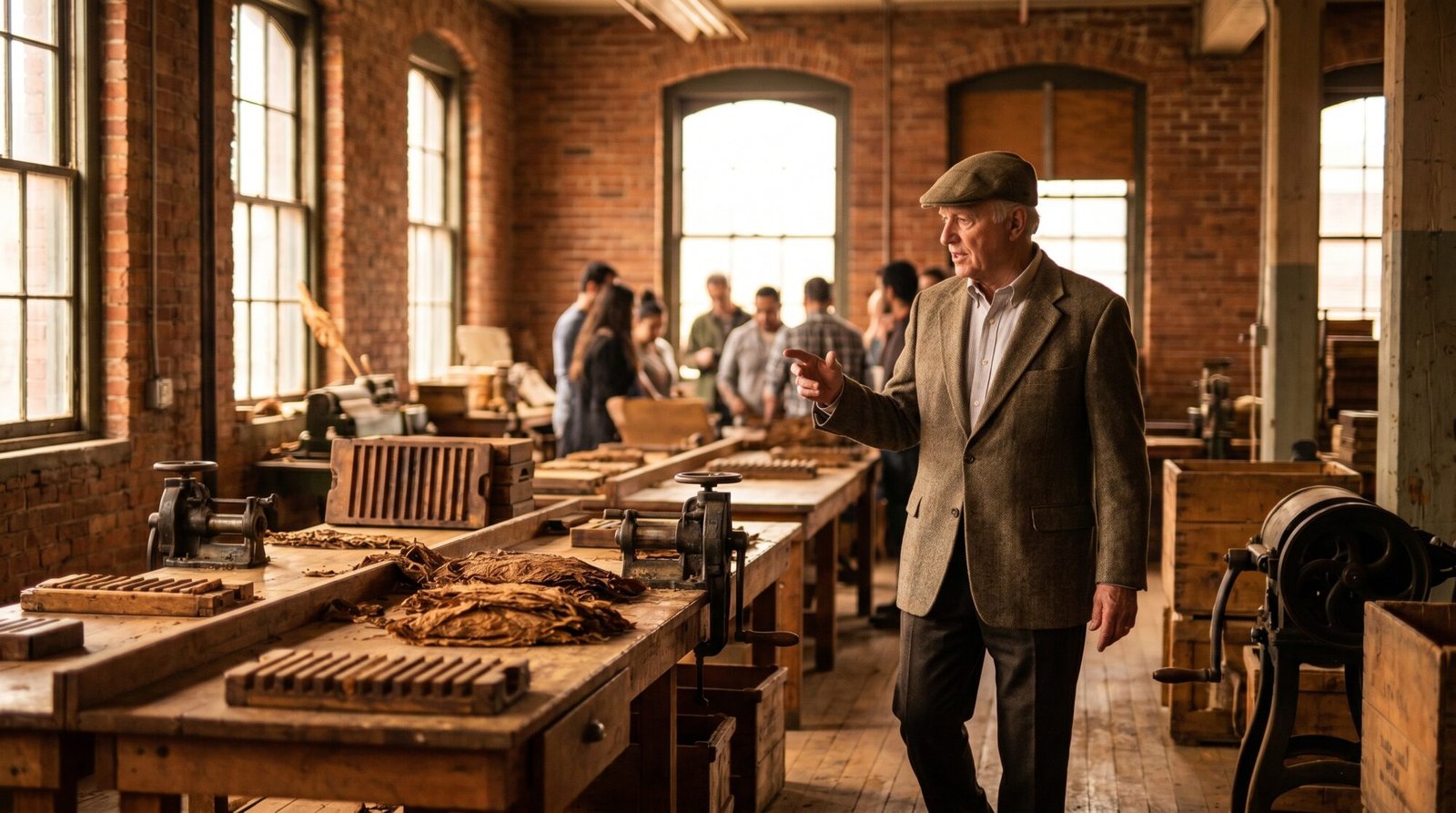

In a country where regulation, taxation, and shifting cultural attitudes have steadily reshaped the tobacco landscape, the survival of a true legacy cigar company is no small feat. Yet, in Toronto’s west end, House of Horvath continues to stand as one of the last enduring pillars of Canada’s historic cigar industry.
With roots stretching back to the early 20th century, the company embodies a rare continuity—one built on craftsmanship, family stewardship, and an unwavering commitment to the Canadian cigar community. One of the key contributors at the center of its modern evolution is Colm O’Shea, Executive Vice President, who alongside his wife Cathy O’Shea, has guided the company through one of the most challenging periods in the industry’s history.
From Immigrant Enterprise to Canadian Institution
The story of House of Horvath begins in 1927, when Hungarian immigrant Joseph Horvath Sr. arrived in Canada and entered the tobacco trade through a small retail shop in Toronto. [thegentlem…flavor.com]
By 1932, Horvath had transitioned from retailer to manufacturer, founding the Ontario Tobacco Company, where he produced pipe tobacco, cigarettes, and handmade cigars. This early move into manufacturing laid the foundation for what would become one of Canada’s longest-standing cigar businesses. [thegentlem…flavor.com]
The company evolved in 1977 under Joseph Horvath Jr., when it officially became House of Horvath, expanding into importing and distributing while maintaining its manufacturing roots. Operating from its historic facility at 77 Ossington St. Toronto, Ontario the company has remained a constant presence even as the surrounding neighborhood—and the broader industry—transformed dramatically over the decades. [thegentlem…flavor.com] [thegentlem…flavor.com]
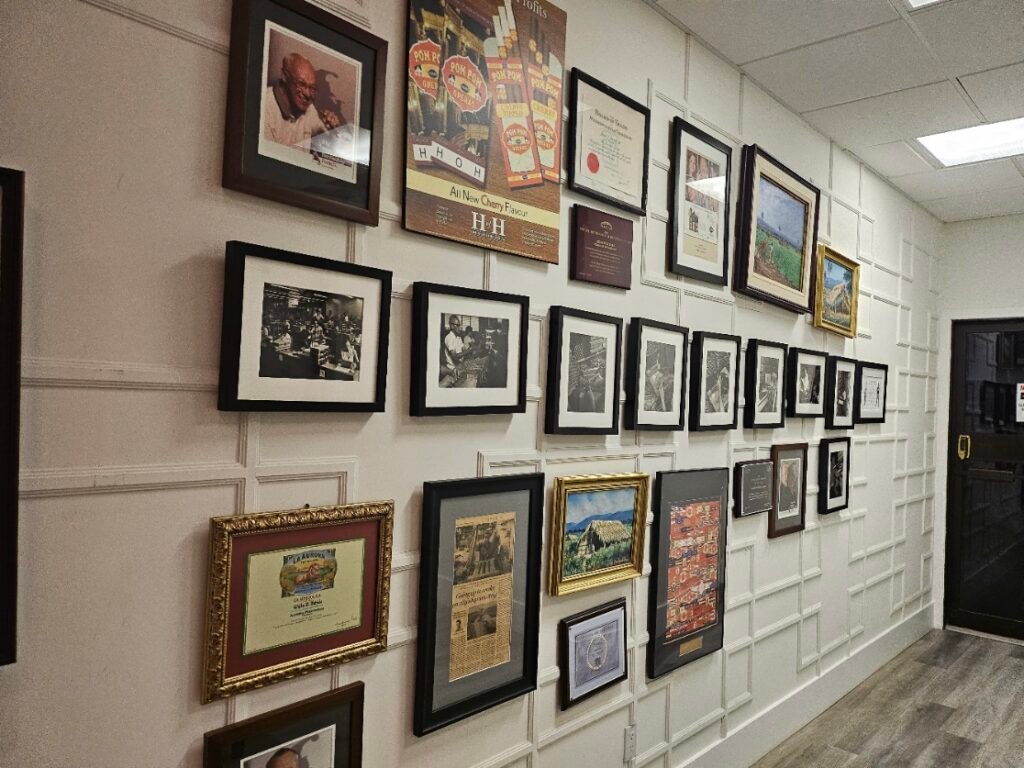
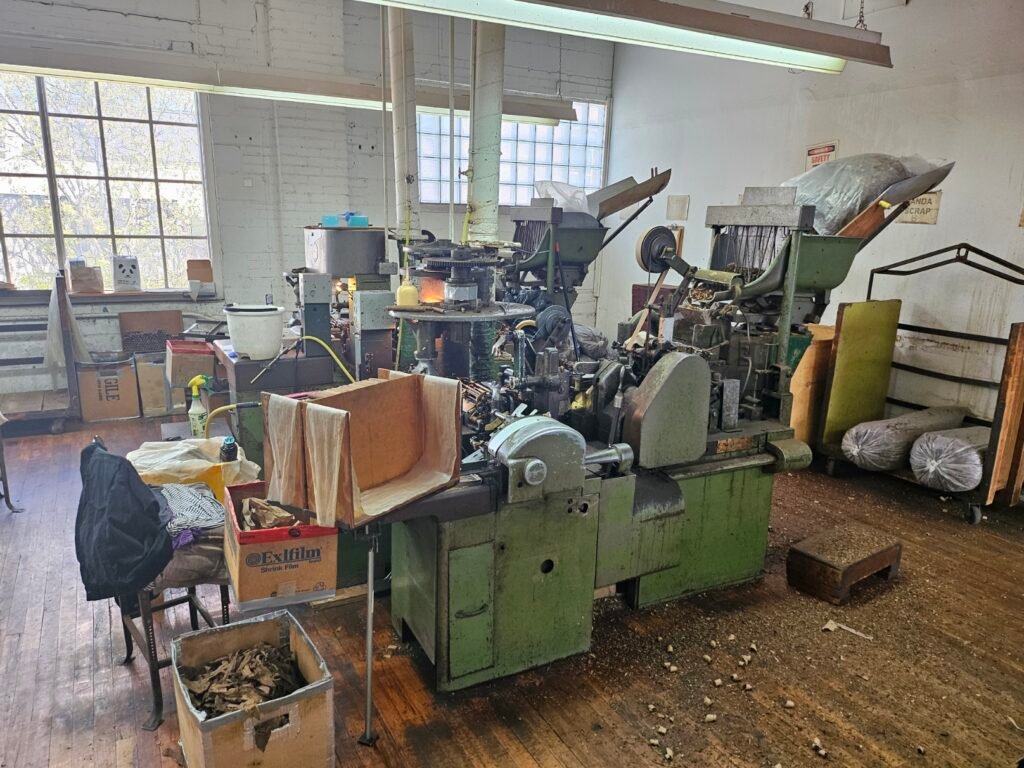
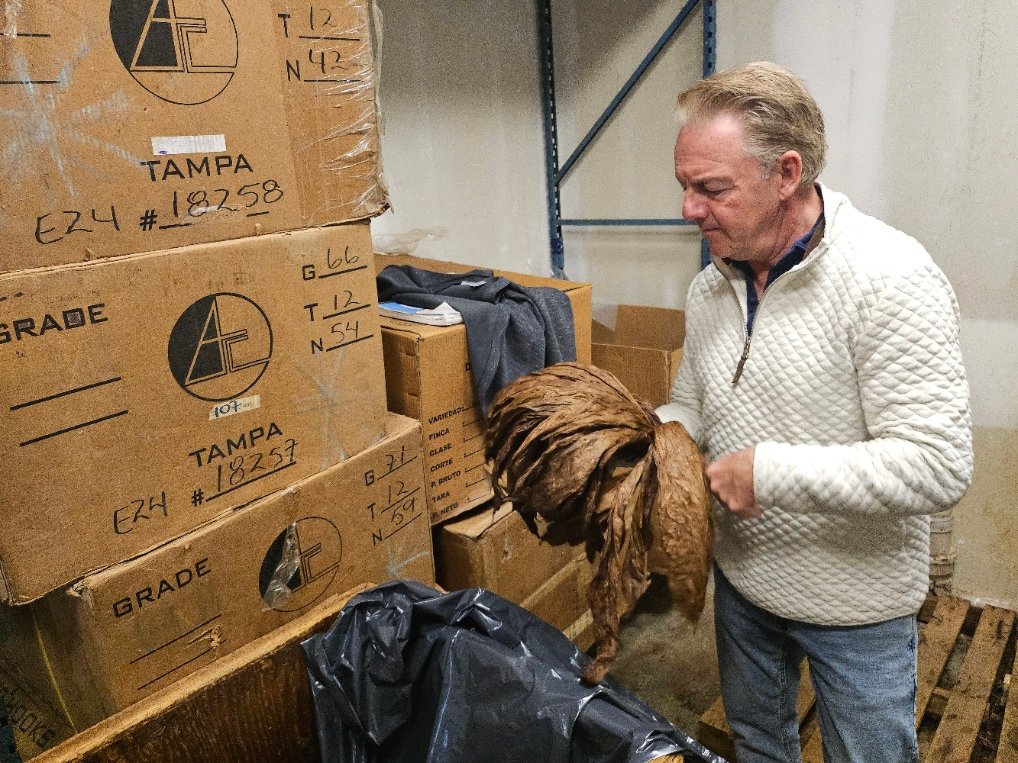
I had the chance to visit this iconic space and it was a blast from the past. It reminded me of a Cuban factory but with older equipment. Colm took me on a tour and knew everyone by name. The equipment was nostalgic and what a fun experience.
The O’Shea Era: Modernization Meets Tradition
Colm O’Shea’s involvement in House of Horvath began in the early 1990s, during a period when cigar culture was experiencing a resurgence. He left his job in the bank and started in the shipping department literally in the basement. While touring it became apparent that he had a passion for the product and a sharp understanding of the evolving market, O’Shea has become an integral part of the company’s leadership.
In 2011, Colm and Cathy O’Shea assumed control of the business, ushering in a new phase focused on modernization and strategic growth. This transition marked a deliberate effort to preserve the brand’s historic identity while adapting to changing market demands. [wildgreencanada.com]
Advocacy and Industry Leadership in Canada
While House of Horvath’s history as a manufacturer and distributor is significant, its role as an advocate for the Canadian cigar industry may be even more impactful.
Over the past several decades, the Canadian regulatory environment has become increasingly restrictive, often treating cigars and cigarettes as interchangeable products. In response, House of Horvath has worked collaboratively with other industry stakeholders to push back against policies that fail to recognize the cultural and consumption differences between these products.
A key example of this effort is the company’s involvement in the Small Guys Cigar Group, a coalition formed alongside other Canadian cigar companies to address issues such as taxation, advertising restrictions, and packaging legislation. [thegentlem…flavor.com]
Through this coalition, significant resources have been invested in lobbying and education, with the goal of ensuring policymakers understand the unique nature of the premium cigar segment. These efforts have helped shape key regulatory frameworks, including the development of cigar-specific health warning labels and ongoing discussions around packaging regulations. [thegentlem…flavor.com]
Colm has been taking on this regulatory battle with some success but anyone that has tried dealing with regulators in the cigar tobacco industry knows this is an uphill battle with little success. That being said, Colm and Cathy seem to be going in the right direction. They have been at the table for many industry and government meetings and have moved the needle on more than one occasion.
Colm shared one story of a local bylaw officer that wanted a window blacked out that no one could see into unless they had a 6 foot ladder and that they made him cover up the “C” in “Cigar” outside the building but Colm can see the humour in the silliness of the regulations and seems good spirted about the whole thing.
In addition, House of Horvath has consistently advocated for the protection of brick-and-mortar tobacconists, recognizing their critical role in maintaining Canada’s cigar culture.
Supporting Retailers and Strengthening the Community
Beyond policy and manufacturing, House of Horvath has developed a reputation for its strong relationships within the Canadian cigar community and the Canadian government. They work closely with retailers across the country, offering guidance on product selection, merchandising, and consumer education. They have a great website and blog. [hofhcanada.com]
This hands-on approach reflects a broader philosophy: that the success of the cigar industry depends on collaboration at every level—from importer to retailer to consumer. They support cigar events like the Canadian Cigar Celebration and have done so for years.
In recent years, House of Horvath has also expanded its role as a distributor of internationally recognized brands, helping to ensure Canadian consumers retain access to a diverse and high-quality cigar selection despite increasing regulatory challenges. [datanyze.com]
These efforts have helped sustain a vibrant, if niche, cigar culture within Canada—one that continues to value craftsmanship, tradition, and shared experience.
Resilience in a Challenging Landscape
The Canadian cigar industry today faces significant hurdles, including high taxation, strict packaging regulations, and limitations on advertising and public consumption. Yet, companies like House of Horvath demonstrate that resilience is possible through adaptation and advocacy.
By maintaining its manufacturing roots, investing in relationships, and actively engaging in regulatory discussions, the company has continued to navigate these challenges while preserving its core identity.
It seems that Colm and the HoH team has a good grasp of the past, present and future and we in the Canadian cigar community are lucky to have them in our corner.
