
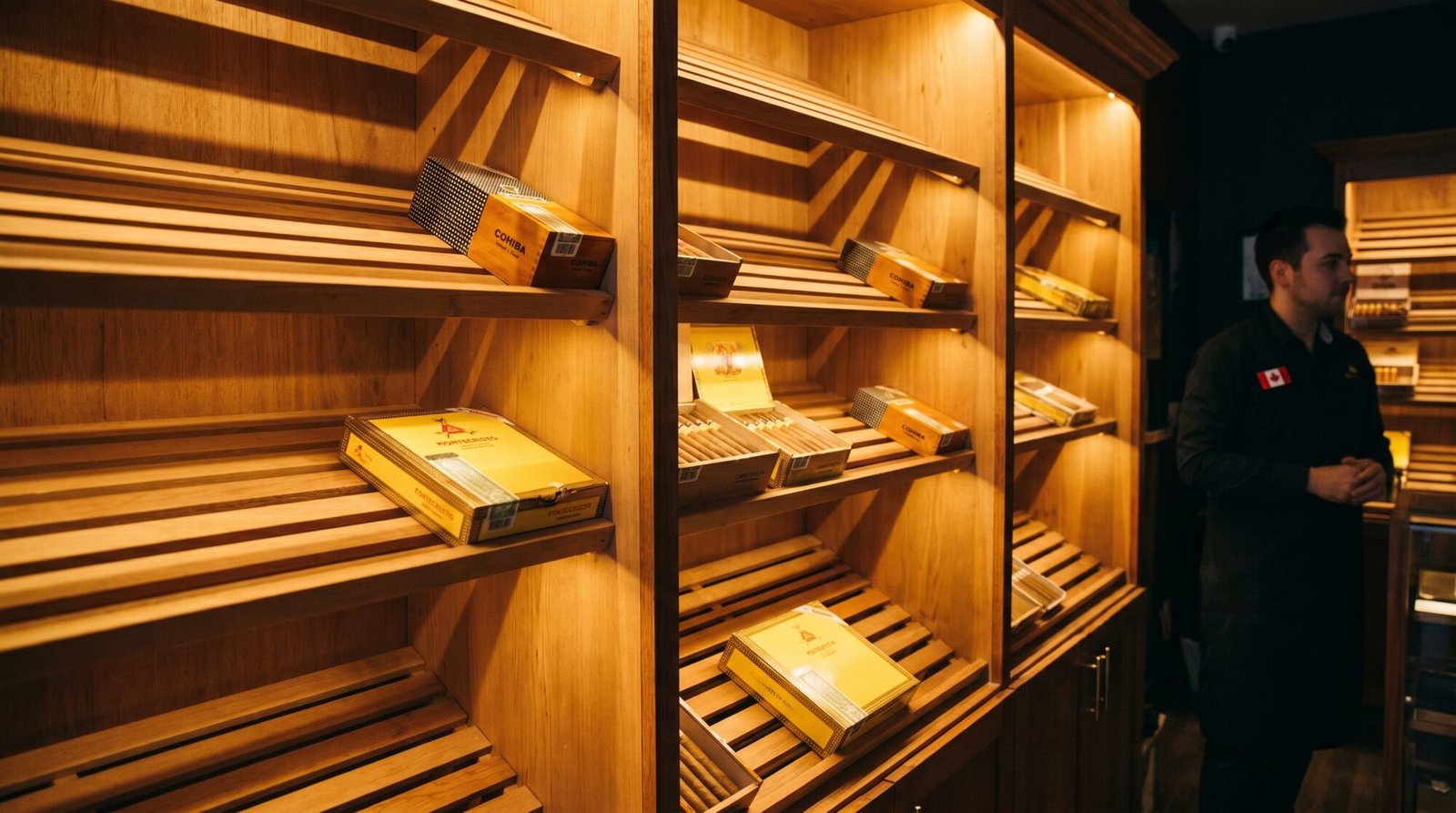

Since the early 1960s, Canadian cigar smokers have enjoyed a privilege their American neighbours couldn’t: easy access to a steady supply of authentic Cuban Habanos. Recently, however, that abundance is drying up like a neglected humidor. A compounding series of internal collapses and external geopolitical pressures risks turning a Cuban cigar supply shortage from a temporary inconvenience into a crisis for Canadian cigar retailers and smokers. Here is why the Cuban selection in the humidor at your local tobacconist s looking thinner than ever.
The Energy Collapse
Starting in 2024, Cuban began experiencing nationwide and regional blackouts as parts of the power grid began to fail due to a combination of lack of maintenance, the age of the infrastructure (Soviet era thermal plants), and a lack of oil (burned in said plants for electricity). In 2025, the problem worsened, with more frequent blackouts affecting most of the country at different times. In 2026, the problems have escalated. After the United States abducted Venezuelan President Maduro, Cuba’s oil supply all but disappeared, exacerbating the problem. While some efforts have been made, thanks to China, to supply Cuba with solar power, that infrastructure is new, still developing, and unavailable to most.
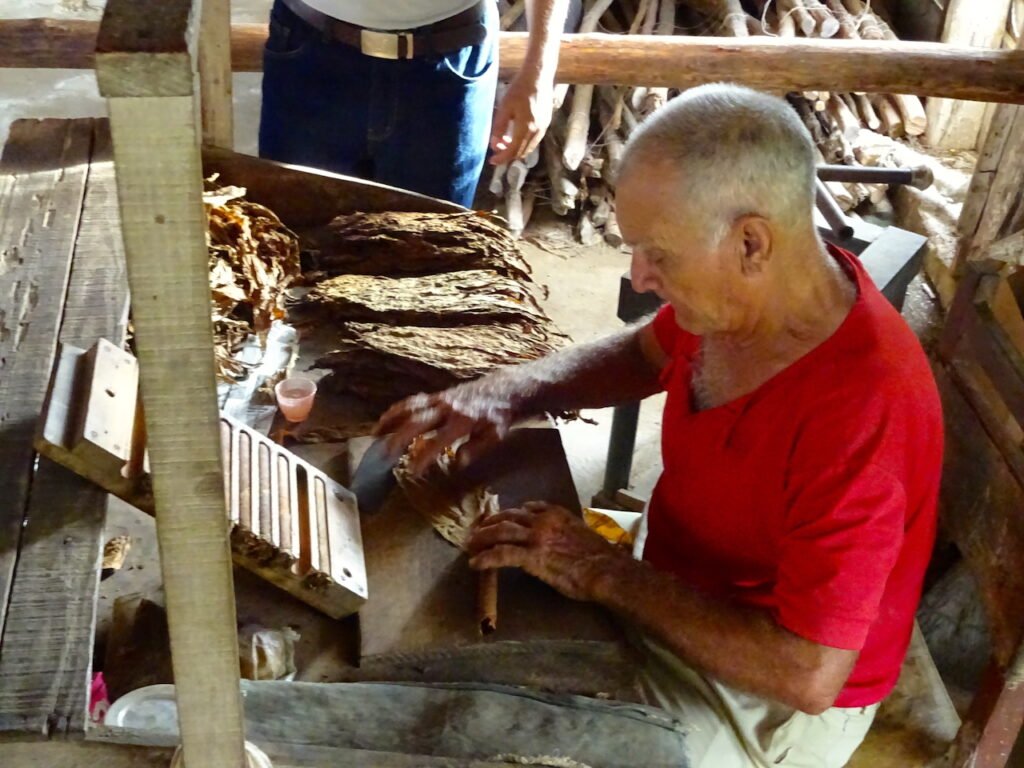
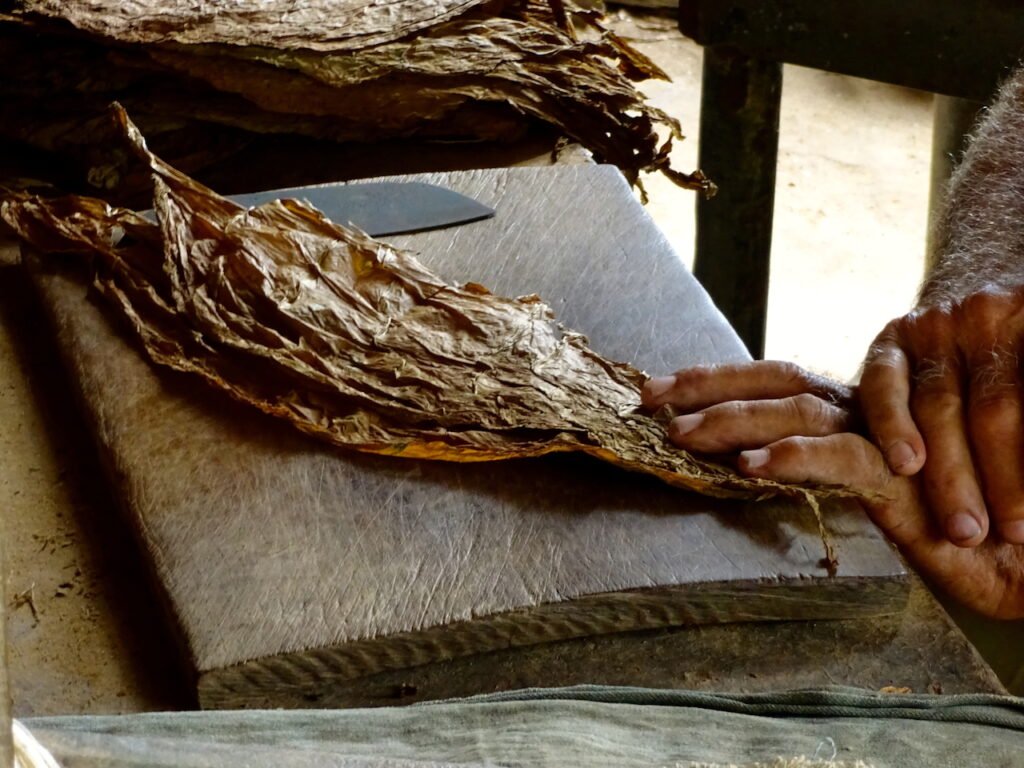
While most Cuban cigars are handmade, they are not made without power. Electricity and oil are needed for every step; from irrigating the fields and powering tractors, to controlling the climate in tobacco aging rooms and keeping the lights on so rollers can roll, to getting the cigars on transportation for export.
American Meddling and Geopolitical Upheaval
The crisis isn’t just internal. The escalation of pressure from the Trump administration has tightened the economic noose around Cuba. After the US assumed economic control of Venezuela, Cuba lost all its oil imports from that country. In 2025, Cuba got about 50% of its oil imports from Venezuela (figures range from about 30% to 61%), which were cut off after the US assumed economic control over Venezuela. Then, on 29 January 2026, the Trump administration signed an Executive Order stating that “that the policies, practices, and actions of the Government of Cuba constitute an unusual and extraordinary threat, which has its source in whole or substantial part outside the United States, to the national security and foreign policy of the United States” and, based on that, the US further stated that it “may be imposed on imports of goods that are products of a foreign country that directly or indirectly sells or otherwise provides any oil to Cuba.” Following that, Mexico, which provided about 44% of Cuba’s oil imports in 2025, turned off the taps. The only other countries supplying oil to Cuba are Algeria and Russia; Algeria in relatively small numbers, and Russia only about 10%. As President Trump was considering “A friendly takeover of Cuba”, Cuba suffered a total grid failure, leaving the country in the dark; and as oil for generators is used up, little hope remains for Cubans or their cigars.
The Economy and Tourism
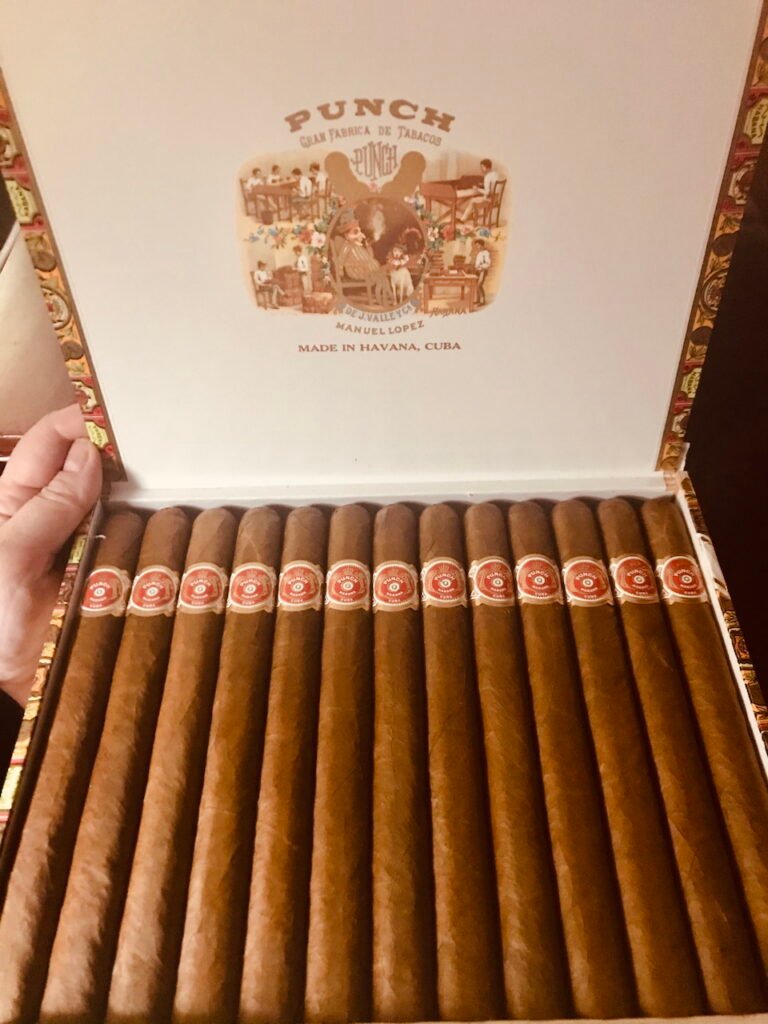
With no fuel or electricity, Cuba’s main industries have all but ground to a halt. Tourism has dwindled. Air Canada, WestJet, and Air Transat have cancelled all flights to Cuba for now because if they fly there is not enough fuel for them to fly back. On 14 February 2026, Habanos SA announced that it was postponing its February Habanos Festival, what would have been its 26th. Their statement said “The postponement of its celebration is a measure aimed at protecting this experience and guaranteeing its excellence.” Without power, without tourists, without exports, Cuba has a crippled economy, which is just another reason why cigar factories are employing fewer workers or have shut down altogether.
The Canadian Impact
In Canada the supply of Cuban cigars is dwindling. To start with, Canada gets a small share of Cuban cigar exports, with 78% (in 2024) going to Europe and Asia. The trickle-down effect on the Canadian market is stark. Store owners from Windsor to Vancouver are reporting the lowest inventory levels in recent memory.
According to a Radio Canada interview with Jay Henderson of La Casa Del Habano in Windsor, Ontario, as of early March 2026, he hadn’t received a shipment of Cuban cigars since December, was expecting one more to come in and then there is only uncertainty.
In Vancouver, one tobacconist who preferred to remain anonymous said that while their supply is currently ok, the had been told by Havana House that stock would soon be very limited and could stop, at least temporarily.
The Future
It is important to remember that while this lack of supply puts a strain on Canadian tobacconists and is a disappointment for Canadian cigar smokers, it is the Cuban people who are suffering. Of course, that does not mean you cannot also lament the absence of your favourite Habanos. Locally, most regular cigar smokers we spoke with are nervous about the lack of Cubans, with some panic buying what they can. If you have the money, why not? Perhaps though, there is room for optimism. The political or economic future of Cuba is up for speculation, but history tells us that Cuban cigars are a constant.
Tobacco has been grown in Cuba since 2000-3000 BCE and we know that early cigars were being smoked by at least 1492. The more formal cigar industry started in the early 1800s when the first factories opened. Since that time, Cuban cigars have survived the development of the cigarette, a revolution that saw the heads of many of the cigar companies leaving Cuba for more stable climes, the nationalization of the tobacco and cigar industries under Castro, threats of war and invasion, an embargo by the US, competition from ‘new world’ cigars, a pandemic, and a global rise of militant anti-smoking sentiment. Habanos, like the people who make them are resilient. They have survived it all. They will survive this, against the odds.